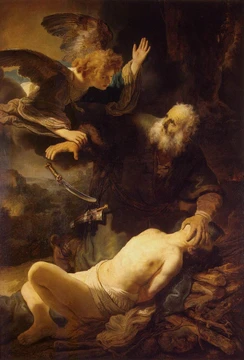
Isaac
A lonely boy crying tears of blood to survive the nightmare beneath his own home.

via Wikipedia: Binding of Isaac · see source
Isaac is the titular protagonist of *The Binding of Isaac* series—a small, trembling boy with curly brown hair and large, expressive eyes that seem to hold the weight of a broken home. After a traumatic misunderstanding, Isaac is locked in his room by his mother, who then speaks to him through the door. He escapes through a trapdoor in his room, descending into the basement, where the familiar creak of floorboards gives way to a nightmarish labyrinth crawling with monsters born from his fears, guilt, and the distorted reality of his family's faith. Throughout the game's narrative cycles, Isaac serves as both victim and hero: his journey is not about slaying demons for glory, but about confronting the psychological manifestations of his isolation and abuse. He begins as a helpless child crying for safety, but evolves into a resilient survivor who wields his own tears as weapons and alters reality through collectibles that each reflect a fractured piece of his psyche—a rusty nail for defiance, a dead cat for desperation, a crucifix for hollow faith.
- Status
- Ambiguous (endings are open to interpretation)
Lore & Background
The story begins when Isaac's mother, seized by a sudden religious fervor, believes her son has been corrupted by sin. She locks Isaac in his room and then hears a voice telling her to sacrifice her son. Isaac escapes through a trapdoor in his room, descending into the basement, which twists into a hellish dimension where Isaac must face grotesque caricatures of his own family: a monstrous Mom with a butcher knife, and demons that embody his deepest insecurities—worthlessness, abandonment, the fear that he is the cause of all suffering. Isaac's existence is fluid across different dimensions and endings, often implying he has lived through this cycle countless times, each run a fresh layer of trauma. His tears are not just water but a manifestation of his pain and his only source of power—each drop a cry for help that damages enemies. As he descends deeper into the house, he finds items that grant him abilities, each representing a coping mechanism or a fragment of his fractured soul: faith that curdles into self-flagellation, luck that feels like a cruel joke, and sheer desperation that turns his own body into a weapon.
In Their Own Story
The air in the basement tasted like rust and old dust, thick enough to coat his tongue. Isaac clutched his knees to his chest, the cold floor seeping through his thin pajamas. Above him, the heavy thud of Mom's footsteps echoed on the stairs—but she never came down. Instead, the shadows beneath the bed began to writhe, forming shapes that looked too much like the monsters he saw in his nightmares: a grinning fly with a human eye, a lump of flesh that pulsed like a heartbeat. A single tear rolled down his cheek, hitting the floor with a sound like a dropped coin. As it splashed, the darkness recoiled, hissing where the drop touched it, and for a moment the hallway stretched out before him, filled with floating eyes and waiting horrors. He stood up, wiping his face with a trembling hand, knowing there was no going back to the safety of his room—only forward, through the filth and the fear, toward something that might be escape or might be just another locked door.
Reader's Guide
Isaac is a young boy defined by his isolation and the intense emotional turmoil of his home life. His primary role is that of an explorer forced into combat, using his ability to shoot tears as projectiles against the demonic entities infesting his house. His character arc revolves around acceptance and resilience. Initially paralyzed by fear and guilt over his mother's actions, Isaac learns to channel his pain into a desperate, tearful assault—each sob a bullet, each sniffle a reload. He is a glass cannon: fragile, but capable of devastating bursts of sorrow when backed into a corner.
Did You Know?
- The source does not provide any information about Isaac's age, appearance, or the specific events of the game *The Binding of Isaac*.
- The source only discusses the biblical story of the Binding of Isaac from Genesis 22, not the video game.
- According to the source, some Talmudic sages teach that Isaac was an adult aged thirty-seven at the time of the binding.
- The source states that the narrative of the sacrifice and binding of Isaac is traditionally read in synagogue on the second day of Rosh Hashanah.
Biblical Narrative and Divine Intervention
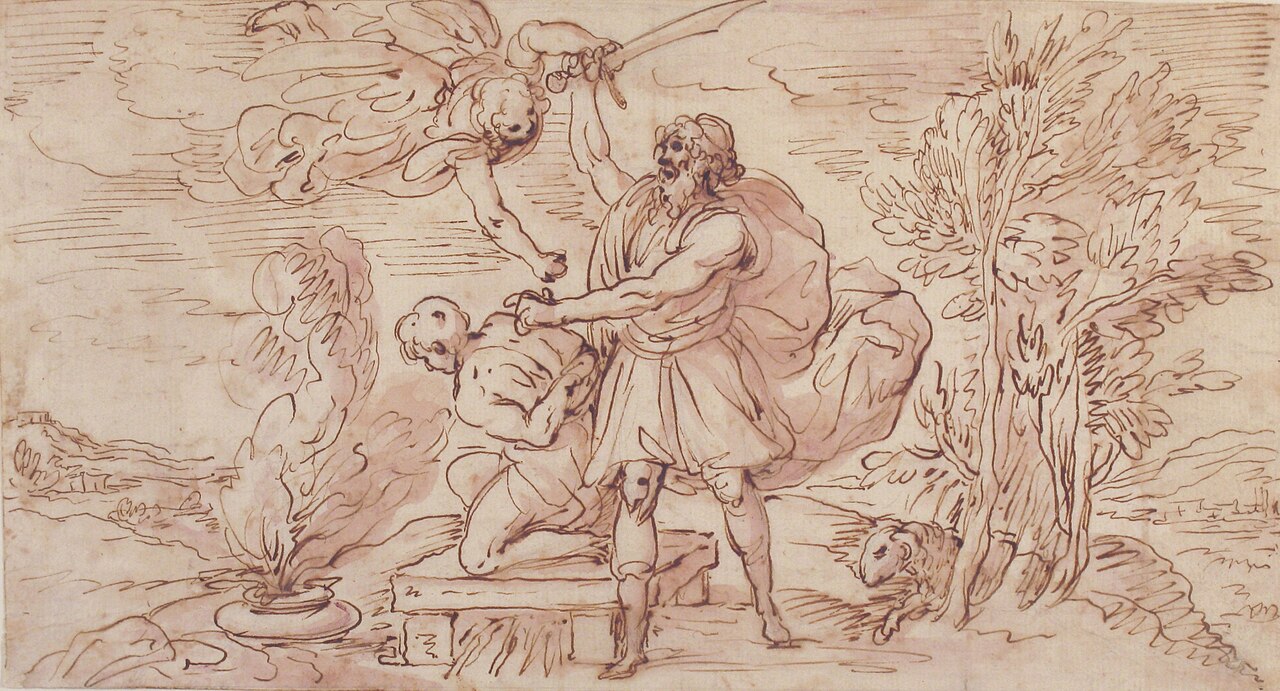
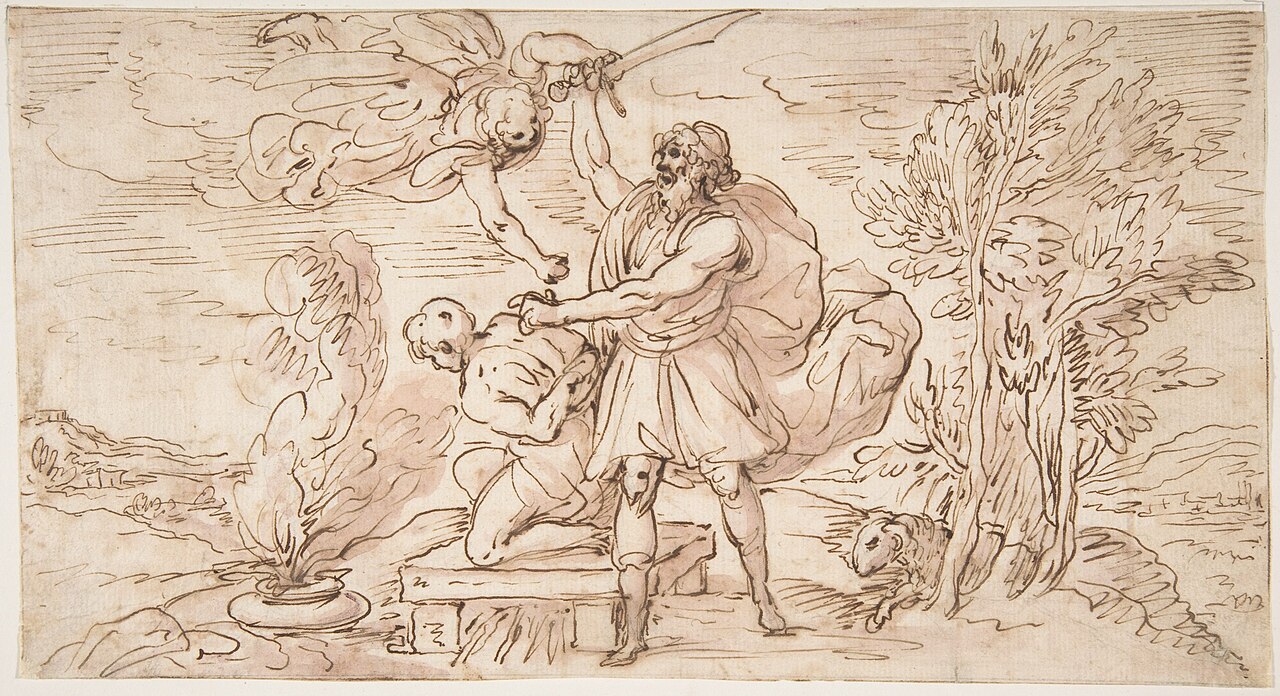
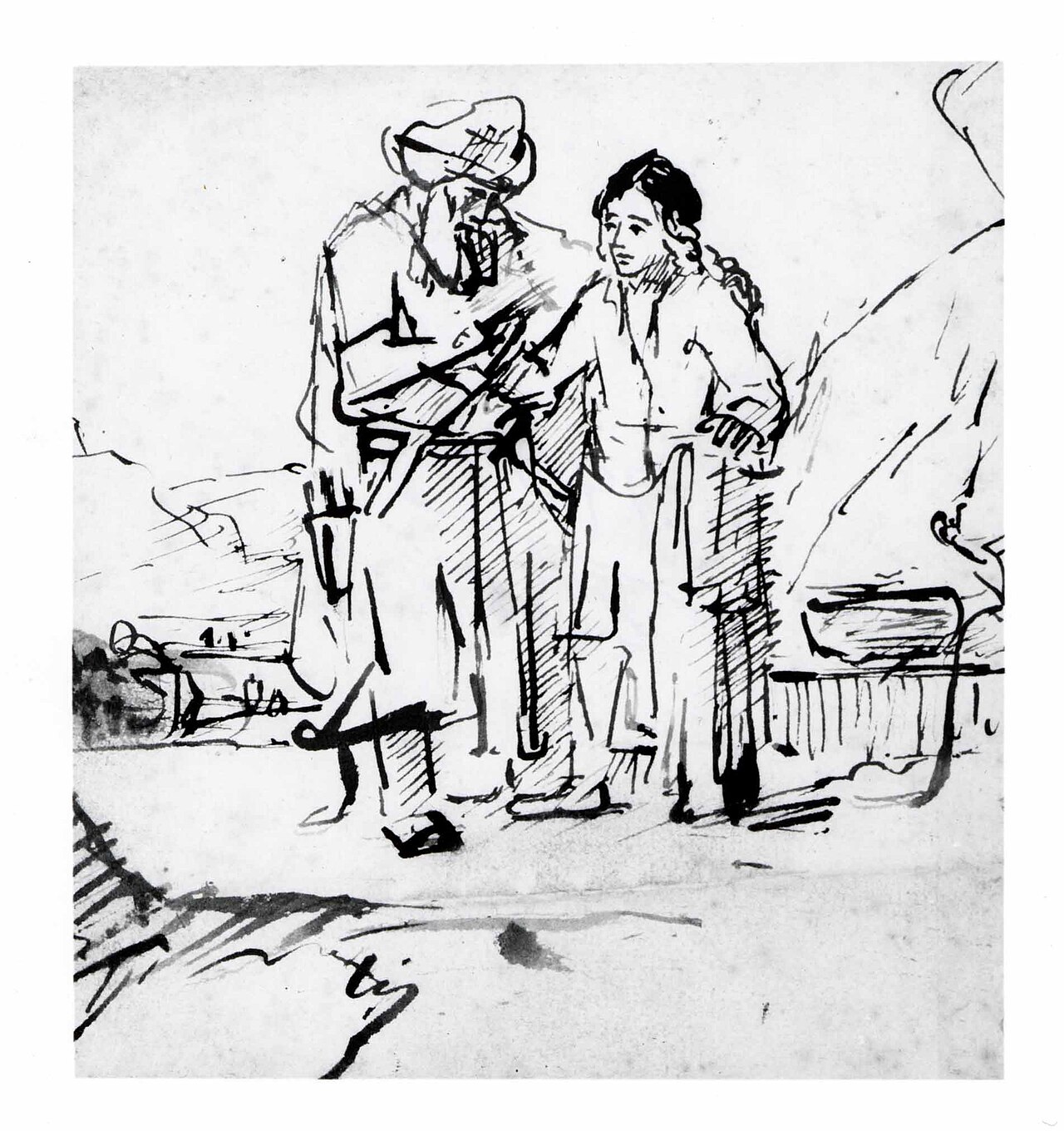
The story known as The Binding of Isaac, or 'Akedah,' stands as a pivotal moment in Genesis chapter 22. In this narrative, God commands Abraham to travel to the mountain of Moriah to offer his son Isaac as a burnt offering. As Abraham prepares to bind his son on an altar and commence the sacrifice, he is miraculously halted by the Angel of the Lord just before the act is completed. The divine messenger declares that Abraham's fear of God is now proven, revealing that this ordeal was a test of faith rather than a demand for human blood. In Isaac's place, Abraham discovers a ram caught in a thicket and sacrifices it instead. This event leads Abraham to name the location 'Jehovah-jireh,' meaning 'God will provide.' The text later connects Mount Moriah to the site of Solomon's Temple in Jerusalem, though Samaritan traditions locate this significant encounter on Mount Gerizim. Despite the story's dramatic tension regarding potential patricide, the biblical account emphasizes divine provision and the ultimate rejection of child sacrifice.
Scholarly Debates and Historical Origins
While the final biblical text presents a stopped sacrifice, modern scholarship suggests the original tradition may have depicted an actual completed human offering that was later altered by redactors to substitute a ram. This theory posits that the narrative evolved over time to align with emerging religious prohibitions against child murder. Consequently, various ancient traditions within Judaism and Christianity maintain interpretations where Isaac was indeed sacrificed, only to be resurrected or replaced in specific theological contexts. These divergent views highlight how the text has served as a canvas for evolving religious sensibilities, balancing the horror of potential filicide with the theological necessity of divine testing.
Jewish Interpretations and Theological Meaning
Rabbinic commentary offers profound insights into the motivations behind this event, often arguing that neither God nor Abraham ever intended for Isaac to actually die. Maimonides viewed the story as demonstrating the limits of human love and fear toward the Divine, while also validating prophetic revelation as equal in certainty to philosophical argument. Other scholars, such as Lippman Bodoff and Rabbi Ari Kahn, contend that the command was a test of obedience designed to teach humanity once and for all that child sacrifice is unacceptable. According to this view, Abraham understood he was only to 'raise up' his son as an offering, with God providing the substitute ram to prove His point. The Talmud reinforces this by citing Jeremiah to assert that such slaughter never crossed God's mind. Furthermore, some traditions suggest the event served to silence Satan or test Isaac's own claim against Ishmael, proving Abraham's unwavering devotion to all nations.
Cultural Legacy and National Identity
The impact of the Binding extends far beyond ancient theology, deeply influencing modern Hebrew national culture and the ethos of altruist heroism. Scholar Yael Feldman notes how the narrative has morphed from a 'Binding' into a 'Sacrifice,' symbolizing both the glory and agony of heroic death on the battlefield in contemporary Israel. This reinterpretation frames the willingness to die for one's people as a direct descendant of Isaac's submission. Additionally, the story serves as a foundational element in discussions regarding national identity and martyrdom. While some interpretations focus on Abraham's personal faith, others emphasize how the event was meant to make the world recognize God's choice of Abraham among all nations. The narrative continues to be a subject of intense commentary across Judaism, Christianity, and Islam, reflecting its enduring power to shape concepts of obedience, sacrifice, and divine will in diverse cultural contexts.
Gallery
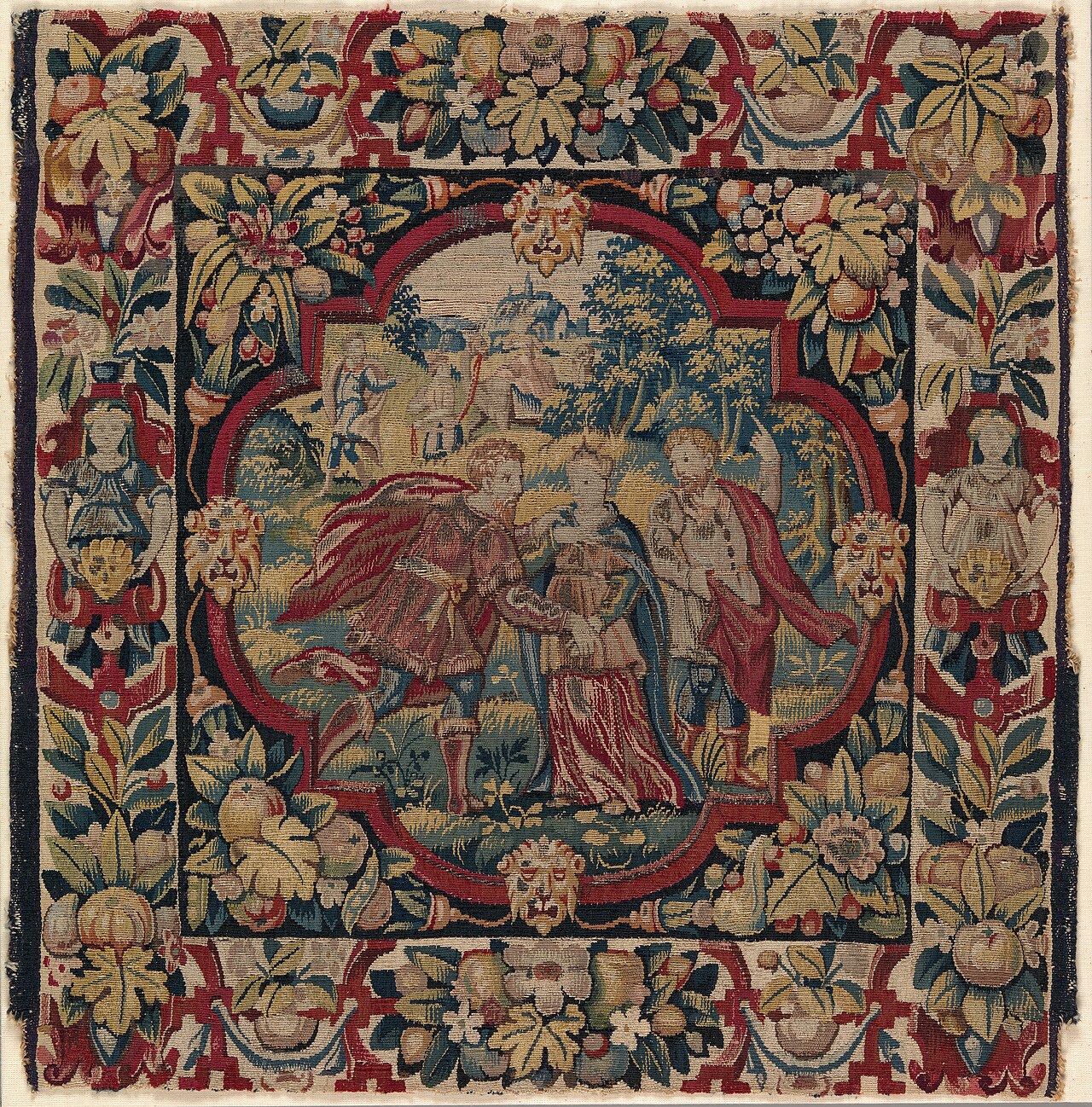
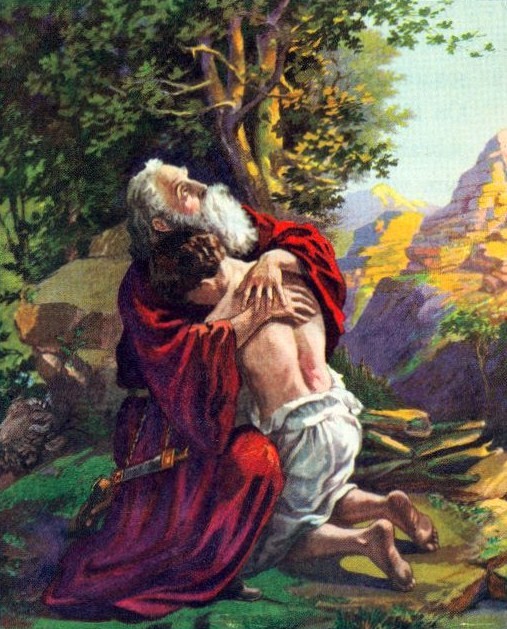
Frequently Asked Questions
Who is Isaac?
Isaac is the main protagonist of the series, depicted as a young boy with curly hair and large eyes who escapes his mother's religious fervor into the basement. He fights through monsters created from his own guilt and trauma using tears as weapons.
What are his powers or role?
His primary ability is shooting streams of blood-like tears to defeat enemies while navigating procedurally generated levels. Throughout the narrative, he acts as both a victim of abuse and a hero trying to survive the supernatural nightmare beneath his house.
How does Isaac's story end?
The ending varies depending on the route taken, but often involves confronting his mother or escaping the basement entirely. In many timelines, he survives the ordeal, though the psychological toll remains ambiguous across different endings.
Why is Isaac important to the series?
As the titular character, Isaac anchors the game's exploration of childhood trauma and religious fanaticism through his personal journey. His presence defines the gameplay loop where players navigate the house to uncover hidden lore about his family dynamics.
What does Isaac use as a weapon?
Instead of traditional firearms, Isaac attacks by crying tears that function as projectiles against his enemies. These tears can be modified through items found in the basement to change their speed, size, and elemental properties.
Related in The Binding of Isaac
Links follow this subject's own source article.
Elsewhere in the The Binding of Isaac universe
Spotted an error? Know more?
This is a living reference — every entry is fact-audited, and reader corrections feed straight into our audit queue. Suggest an edit · See this site's audit record