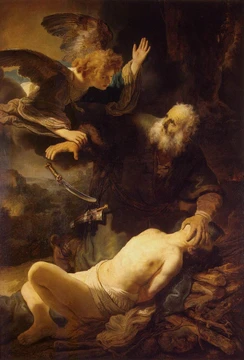
Cellar
A reeking warren of splintered floorboards and scuttling nightmares, where the house's rot breathes and hungers.

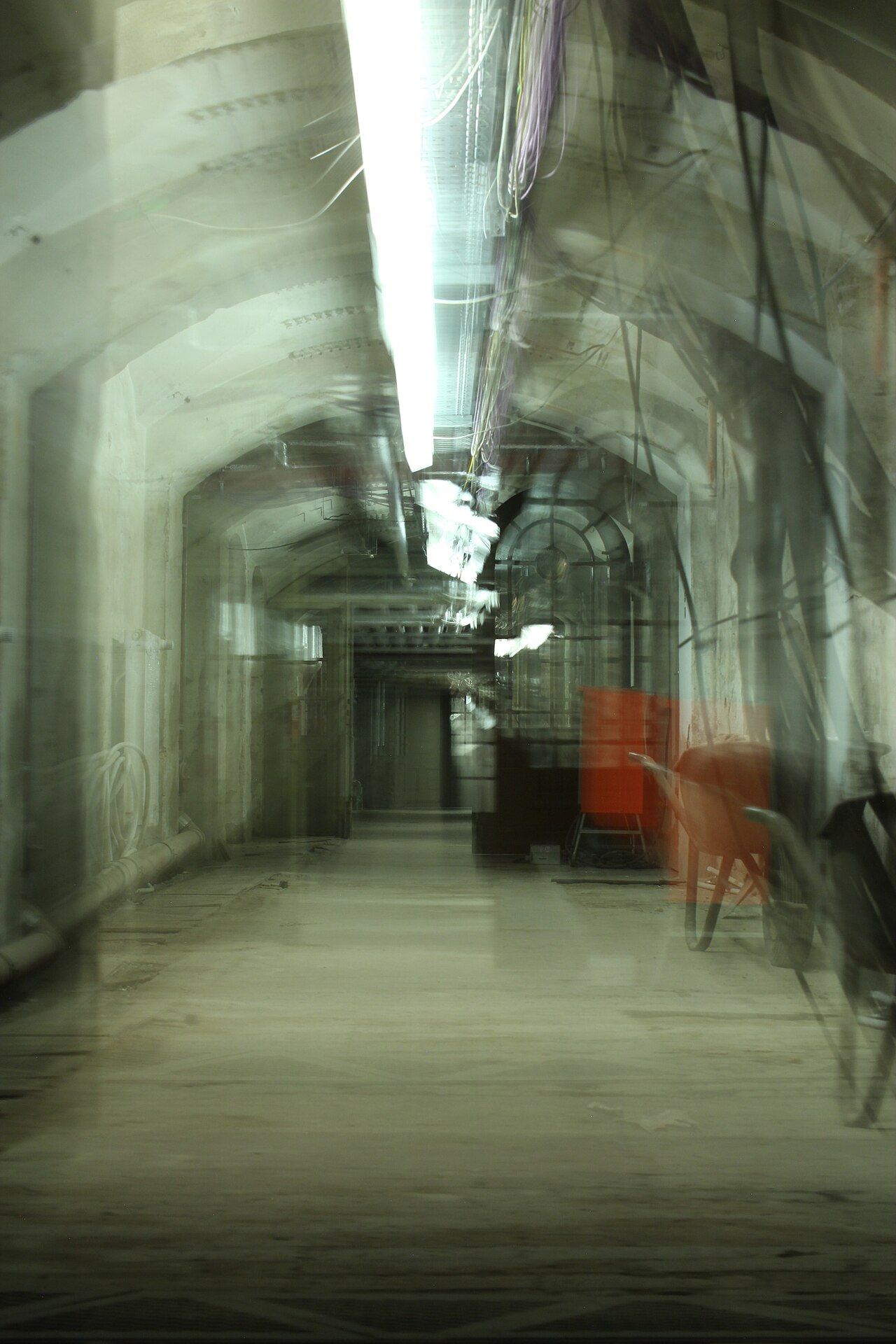
Rillke · CC BY 3.0
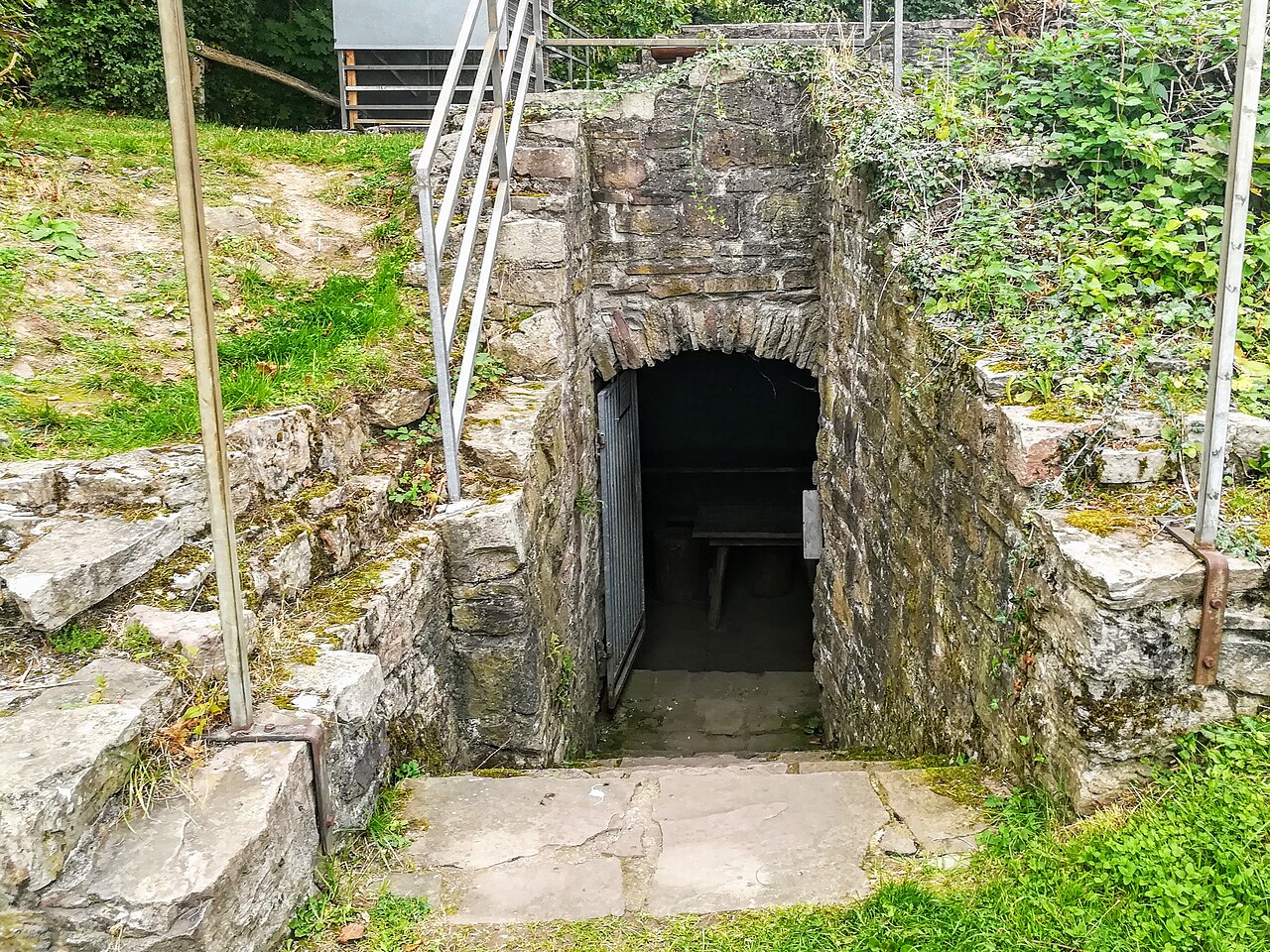
The Cellar is an alternative first-floor variant that can appear instead of the Basement or Burning Basement, representing a darker, more infested version of Isaac's immediate descent into his mother's house. Located directly beneath the family home, it reflects the aftermath of Isaac's flight from a religiously zealous parent who believes her son is possessed by demons. This subterranean space is characterized by its claustrophobic atmosphere, featuring wooden floorboards, exposed pipes, and damp walls that hint at the rotting foundation of the family's life.
- Floor Level
- Alternative First Floor (F1 variant)
Lore & Background
The creatures found here are often mundane pests twisted by the house's dark energy into grotesque abominations. Flies become massive, buzzing threats; spiders grow to terrifying sizes; and rats scurry with unnatural aggression. These monsters represent the filth and neglect that have festered in the home, now given physical form to hunt the boy who dared to hide from his mother's 'cleansing' ritual.
In Their Own Story
The air down here tastes of mildew and old copper. Isaac clutches his teddy bear tighter as he steps off the final stair into the gloom. The only light comes from a flickering bulb overhead, casting long, dancing shadows against the peeling wallpaper. A low buzzing sound vibrates through the floorboards, growing louder until a massive, bloated fly descends from the darkness above. It doesn't just buzz; it screams with a thousand tiny voices, diving toward him as he scrambles backward into the damp unknown.
Reader's Guide
The Cellar is the crucible where every run begins, a cramped tutorial maze of spike pits and leaky pipes that teaches you to dodge, shoot, and pray. Its rooms are small and predictable, but don't get cocky—hidden tear traps can catch you off guard, and secret rooms tucked behind walls often hold game-changing pickups. The boss here, a bloated gatekeeper of flesh and filth, tests whether you've learned to keep your distance and manage your tears. Survive this first step into the dark, and you'll crawl up to the Basement, deeper into Isaac's fractured mind. Every item you find in these damp halls—from a simple coin to a devil's deal—reshapes how you fight, turning childhood tears into weapons against the monsters born of trauma. This floor sets the tone: innocence and horror, hand in hand, with no turning back.
Did You Know?
- Sacrificial rooms can appear on multiple floors, not exclusively in the Cellar.
- In later game updates, the visual design of the Cellar was updated to include more detailed textures on the wooden floorboards and pipes.
- The enemies here are generally weaker than those in subsequent floors, making it the safest place to experiment with new items.
- Secret rooms hidden within the Cellar often contain powerful pickups that can alter the difficulty of early-game encounters.
Narrative Structure and Unreliable Narration
The film's story unfolds through a complex framing device where an adult narrator recounts his traumatic childhood to a skeptical FBI agent. This narrative strategy creates an atmosphere of deep psychological ambiguity, as the audience is initially led to believe the storyteller is the surviving brother seeking justice against his delusional father. However, the plot delivers a devastating twist revealing that the narrator is actually the younger brother who fully embraced the father's fanaticism. The true elder brother, driven by the trauma of their upbringing, became the actual serial killer known as 'God's Hand.' This subversion forces viewers to re-evaluate every preceding scene, transforming what seemed like a tale of survival into a chilling confession of inherited madness and divine self-righteousness.
Thematic Exploration of Faith and Madness
At its core, the story interrogates the terrifying intersection of religious zealotry and psychological instability. The father figure believes he has been divinely commanded to purge demons disguised as humans, utilizing specific 'holy' weapons like an axe and a pipe to execute his mission. While one son recoils in horror at these atrocities, the other accepts the visions as truth, creating a fractured family dynamic where love is weaponized by fanaticism. The narrative explores how trauma can warp perception, leading characters to justify heinous acts as sacred duties. Ultimately, the film suggests that the line between holy mission and psychotic delusion is perilously thin, leaving the audience to question whether the father's visions were genuine divine interventions or the ravings of a broken mind.
Production History and Directorial Debut
This project marked a significant milestone in Hollywood as the directorial debut of Bill Paxton, who also starred alongside Matthew McConaughey. The film's journey to the screen involved navigating complex rights issues that initially stalled a deal with Atlantic Streamline before Lionsgate stepped in. Despite its dark subject matter, it achieved both critical acclaim and commercial success, grossing over $17 million against an $11 million budget, proving that independent Southern Gothic horror could find a substantial mainstream audience.
Ambiguous Legacy and Supernatural Undertones
The film concludes with a haunting ambiguity regarding the nature of its supernatural elements. After the protagonist eliminates the FBI agent who investigated his family's crimes, he assumes the role of sheriff in his hometown, seemingly protected by divine will. The narrative leaves open whether the 'God's Hand' mission was real or merely a shared delusion, as security tapes inexplicably obscure the protagonist's image and witnesses cannot recall his face. This lingering mystery suggests that if the visions were indeed real, the cycle of violence is far from over, with the younger brother now continuing his father's work under the guise of law enforcement. The ending leaves viewers unsettled, wondering if evil has truly been purged or simply rebranded as justice.
Gallery
Frequently Asked Questions
What is the Cellar in The Binding of Isaac?
The Cellar is the first dungeon layer located directly beneath Isaac's childhood home, serving as his initial escape route from his mother. It is characterized by a damp, claustrophobic atmosphere filled with rotting wooden floorboards and exposed pipes.
Who are the main enemies found in the Cellar?
Players primarily encounter insects and rodents that have infested the dark, decaying space beneath the house. These creatures represent the physical manifestation of the family's underlying decay and Isaac's internal fears.
Which bosses can be fought at the end of the Cellar?
The dungeon concludes with a battle against either The Dingle or Monstro, depending on the specific game version and conditions. Defeating this boss allows Isaac to descend further into the deeper layers of his mother's house.
What is the narrative significance of the Cellar setting?
This location symbolizes the immediate aftermath of Isaac fleeing his religiously zealous mother, who believes he is possessed by demons. The rotting foundation and crawling horrors reflect the toxic environment of his family life that he is desperately trying to escape.
Is the Cellar considered a safe zone for players?
No, the Cellar is a hostile environment filled with traps and aggressive enemies from the very first room. It acts as an introduction to the game's mechanics where Isaac must navigate darkness while avoiding constant threats.
More in World & Setting
Elsewhere in the The Binding of Isaac universe
Spotted an error? Know more?
This is a living reference — every entry is fact-audited, and reader corrections feed straight into our audit queue. Suggest an edit · See this site's audit record